
January linkstack
New newsletters, a new print magazine (!), the AI naming crisis, and more.

Congratulations: You’ve made it almost to the end of the month. (What’s the “month” equivalent of annus horribilis?) Your reward: a roundup of interesting links. Want even more? Here’s last month’s edition.
Fritinancy remains 100 percent human written and 100 percent free. If you’re feeling generous you can . . .
New-to-me newsletters
Reading the Pictures is Michael Shaw’s newsletter devoted to “visual and media literacy through the analysis of news photography and cultural images.” Start with Shaw’s most recent post, with photos from Minneapolis and Mozambique.
Sebastian Junger, who singlehandedly popularized the extended use of “perfect storm,” recently launched TRIBE, a blend of journalism and anthropology that attempts “to understand our tribe and the role we play in it.” Start with “Women are the key: How the labor movement of a century ago predicts the outcome of anti-ICE protests.”
Josh Friedland, author of the delightful Eatymology: The Dictionary of Modern Gastronomy (2015) and creator of the hilarious “Ruth Bourdain” account on Twitter, is writing Return of the Snack — mostly about food, but also other subjects. I especially enjoyed “Refrosting, Spaghetti Scenes, and Taste Laddering: New food words from bartending, filmmaking, and business.”
An actual ink-on-paper publication
Last June I wrote about the satisfying online debut of Paper Airplane, “the grown-up mashup of the magazines you loved as a kid.” For the magazine’s second issue, founder Nick Norlen is going all in with paper and digital issues, and he’s launched a subscription drive to make all our dreams come true. Contributors include wordplay-er Kory Stamper, A Way with Words co-host Martha Barnette, artist Chris Ware, and maze maven Michelle Boggess-Nunley; contents will include cut-out postcards, longform writing, and book excerpts. When I reached him last week, Nick told me he was one-third of the way to his goal of 250 subscribers, and all but three orders have been for the print version. “People are craving more texture, literally and otherwise,” Nick told me. “Print doesn’t let us down in the ways that so many other things do. It doesn’t demand anything of us. It feels good to receive it, it feels good to hold it, it feels good to page through it. I think the return to print is mainly us remembering that we’ve always loved it. It’s not a coincidence that the name of the magazine starts with the word ‘Paper’.” Sign up here.
An excellent documentary
Nearly a year after it screened in theaters, Secret Mall Apartment has arrived on Netflix; it’s rentable on other platforms. As I wrote last year after seeing it in San Francisco: “This movie made me so giddily happy I almost wept.”
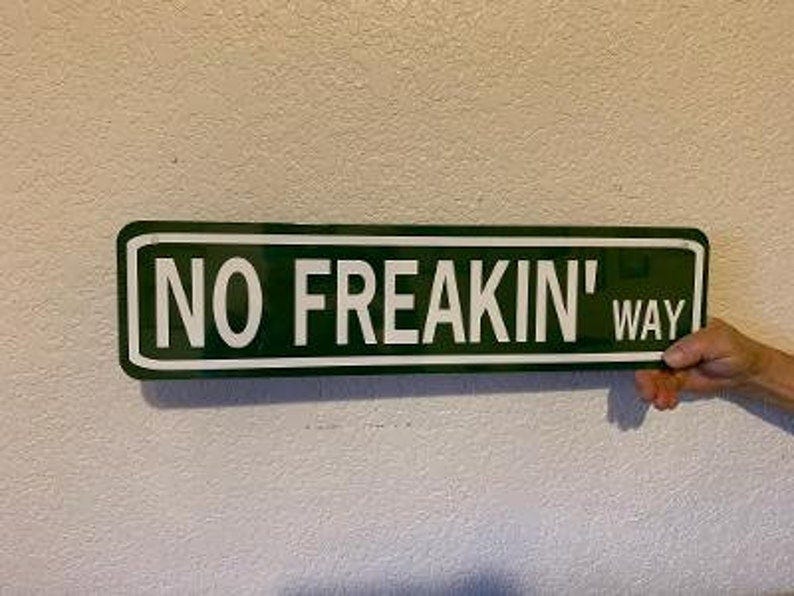
A minced F-word
“Freaking substitutes for its ruder cousin in all sorts of lexical and syntactic contexts, modifying adjectives (that was freaking amazing), verbs (let’s freaking go), and nouns (how is it still freaking January?), among other word classes.” (Stan Carey for the Strong Language blog)
The return of the R-word
“The term, long considered a slur for those with intellectual disabilities, is seeing a resurgence on social media and across the political right.” (New York Times gift link)
Greetings!
“Hullo, hillo, holla”: The 600-year-old origins of the word “hello.” (BBC)
Don’t call it Clippy
“The definitive ranking of forgotten Microsoft office assistants (excluding Clippy.” Also, Clippy is not his (its? their?) name. (Jack Shepherd, On Words and Up Words)
Geo-linguistics
“The news in 2026 is really stamping our etymological passports,” writes John Kelly. His latest post explores the origins of “Greenland” and “Denmark.” (Mashed Radish)
Can a McRib be ribless?
The power of brand-name bullshittery. (The Drum, ht Mark Prus)
Big ideas in 14 lines
Sonnets are “machines for thinking through complex emotions.” (Timothy Hampton1)
The AI naming crisis
“In AI, we have something genuinely new - a category of technology that doesn’t fit our existing frames - and we’re trying to describe it with words inherited from the past.” (Zoe Scaman)
AI jargon
Can you tell your AGI from your NPU from your RAG? What’s Magic Cue? Is superintelligence achievable? (New York Times gift link)
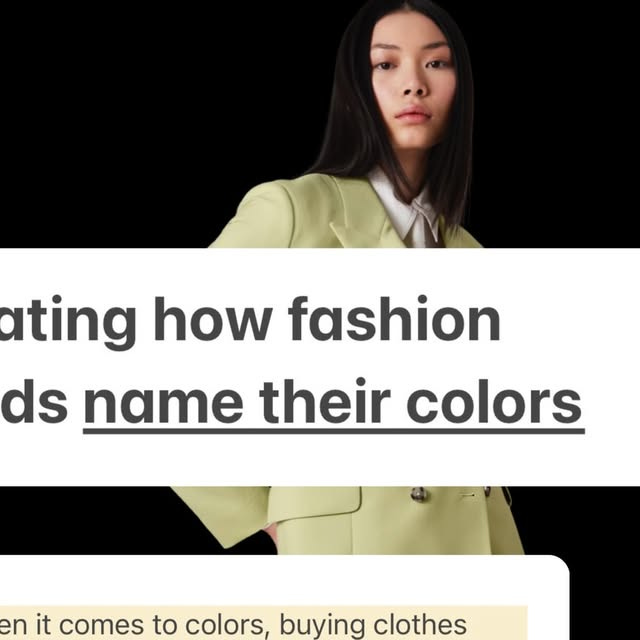
“Pelican”? “Adriatic”?
Rating how fashion brands name their colors. (Anuschka Rees)
Green and orange?
Why Iowa gubernatorial candidate Rob Sand’s “bad” campaign logo is so effective. (Yello by Hunter Schwarz)
The man behind Etymonline
Mignon Fogarty interviews Doug Harper, creator of the Online Etymology Dictionary (video) or audio (wait about 60 seconds for ads to end).
Whither Urban Dictionary?
“[A]s Big Dictionary is getting hip, Urban Dictionary has devolved into a ‘graveyard taken over by the manosphere or general online troglodytes,’ said Amanda Montell, a linguist and author of a book about language and gender.” (New York Times gift link; ht Lynne Murphy)
New in the OED
The latest additions to the OED include three definitions for “brain fart.” (Oxford English Dictionary)
Kids in love
From “authenticity” to “zip coding,” an alphabet of dating terms used by teens and 20-somethings. (At least according to The Guardian)
The pain in Spain
“Andalusia, you see, is no country for consonants. This is not a consonant-friendly climate.” (Charlie Geer)
Your link stacks are something else! I could spend hours looking them all up. But the dog doesn’t walk himself and, like dessert, I best snack at them in small bites.
Ah, color naming!