
Title trend: Declarative sentences
This is how we write titles now. Yes, just like that.

This post has lots of images and may be cut off by your email client. Switch to a browser or the Substack app to read it in its entirety.
And speaking of email: Please resist the urge to hit “reply” to this newsletter. Your response will end up in my spam folder, and we’ll both be sad.
Book and movie titles often follow time-honored formulas. You can promote your main character to title status (Jane Eyre, Oliver Twist, Peter Pan, Lolita). You can invoke a phrase from Shakespeare, the Bible, or another well-known work: All the King’s Men, The Sound and the Fury, The Grapes of Wrath, The Sun Also Rises. You can pick a significant noun and add an article: The Goldfinch, The Sympathizer, The Road, The Firm. You can put on your journalism hat and start your title with who, what, when, where, or how: Where the Crawdads Sing, What to Expect When You’re Expecting, How to Be an Antiracist. You can pick the participle route: Dictating Reality, Clearing the Air, Becoming Martian, Expecting Inequity — all titles advertised in the May 2026 issue of The Atlantic, by the way. You can zoom out and sum it all up with a single noun: Cod, Sapiens, Infidel, Kin, Blink.
Then there are the trendy formulas: the titles that arrive and ebb in waves, like all those “Girl” titles of the 2010s: Gone Girl, The Girl with the Dragon Tattoo, Code Girls, The Radium Girls, Fly Girls, et al. In this camp is a newish trend that was an outlier in the 20th century but has picked up momentum since the turn of the millennium: the declarative-sentence title, complete with subject, verb, and object. Since I started writing about them in 2019, and again in 2021, these full-sentence titles — for fiction, nonfiction, movies, and streaming series — have graduated from mini-trend to irresistible force.
Why full-sentence titles? I could speculate that Spelling It All Out Up Front is your best chance of roping in readers and viewers with short attention spans: title as thesis statement. I could wax philosophical and say that declarations provide reassurance in uncertain times. The likeliest theory: One such title — say, Tammy Brodesser-Akner’s Fleishman Is in Trouble (2019), a best-seller that was turned into a Hulu mini-series — does extremely well, and editors and publishers conclude that the title style is the winning ticket to success. Et voilà: many such titles.
Here are seventeen of the full-sentence titles I’ve spotted in the wild (at Walden Pond Books, a local bookstore) and online. All but two have been released since 2023.
*
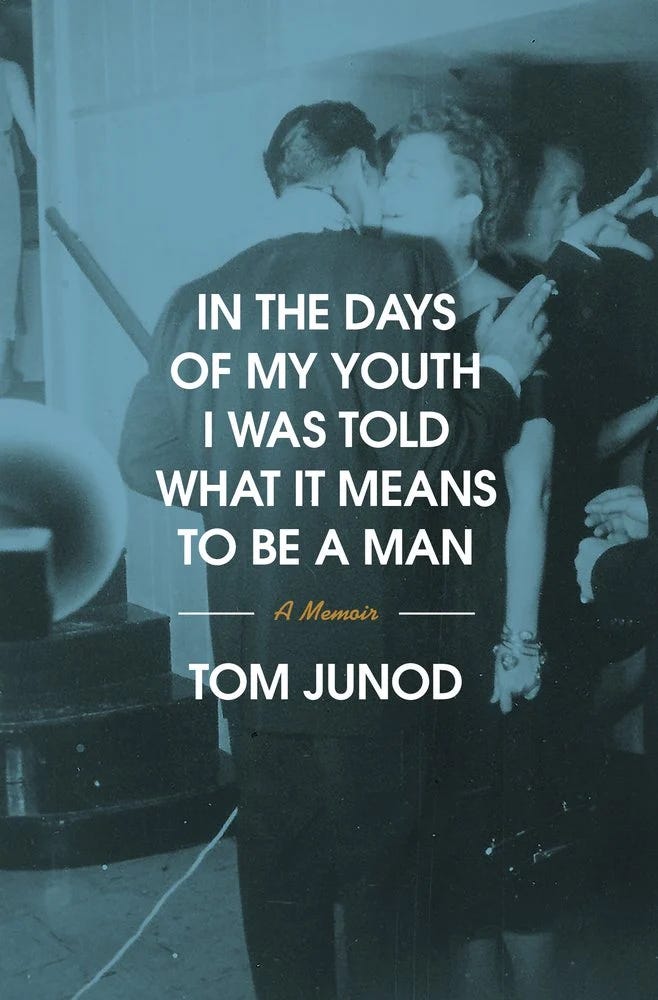
In the Days of My Youth I Was Told What It Means to Be a Man, by Tom Junod (2026). The “stemwinder of a title,” writes New York Times book critic Jennifer Szalai, “comes from a Led Zeppelin track, and the book, too, moves like a song, drawing you in with its melody before delivering an emotional wallop.” I have tried repeatedly to remember this sixteen-word title, and all I managed to come up with is “Uh, that memoir by Tom Junod.”
*
Happy People Don’t Live Here, by Amber Sparks (2025). “A darkly funny, gothic novel about a reclusive mother, Alice, and her daughter, Fern, who move into a haunted apartment building in Minnesota, a former sanatorium filled with eccentric residents and ghosts.”
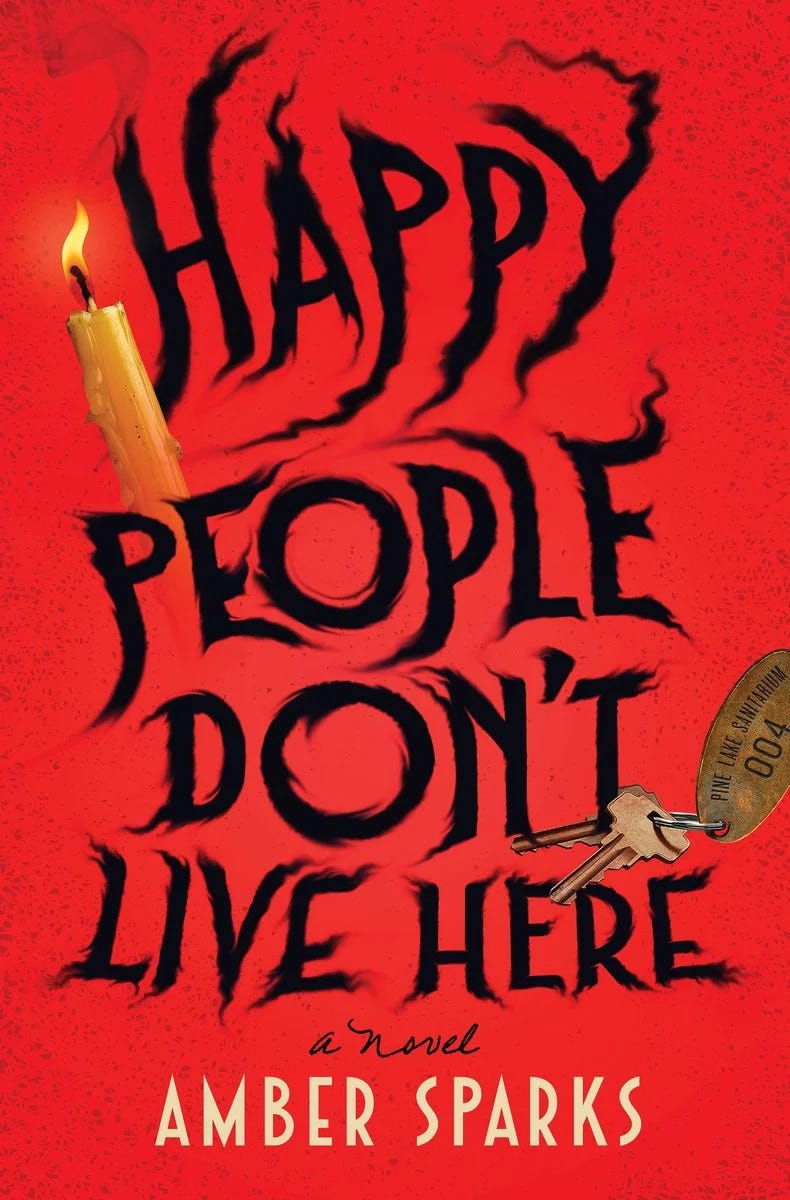
Happy People Don’t Live Here is (clearly) not to be confused with Happy People Live Here, by C. Sean McGee (2014): “A story of happiness, regardless of the hurt and suffering of which [sic] it is sometimes garbed.”
*
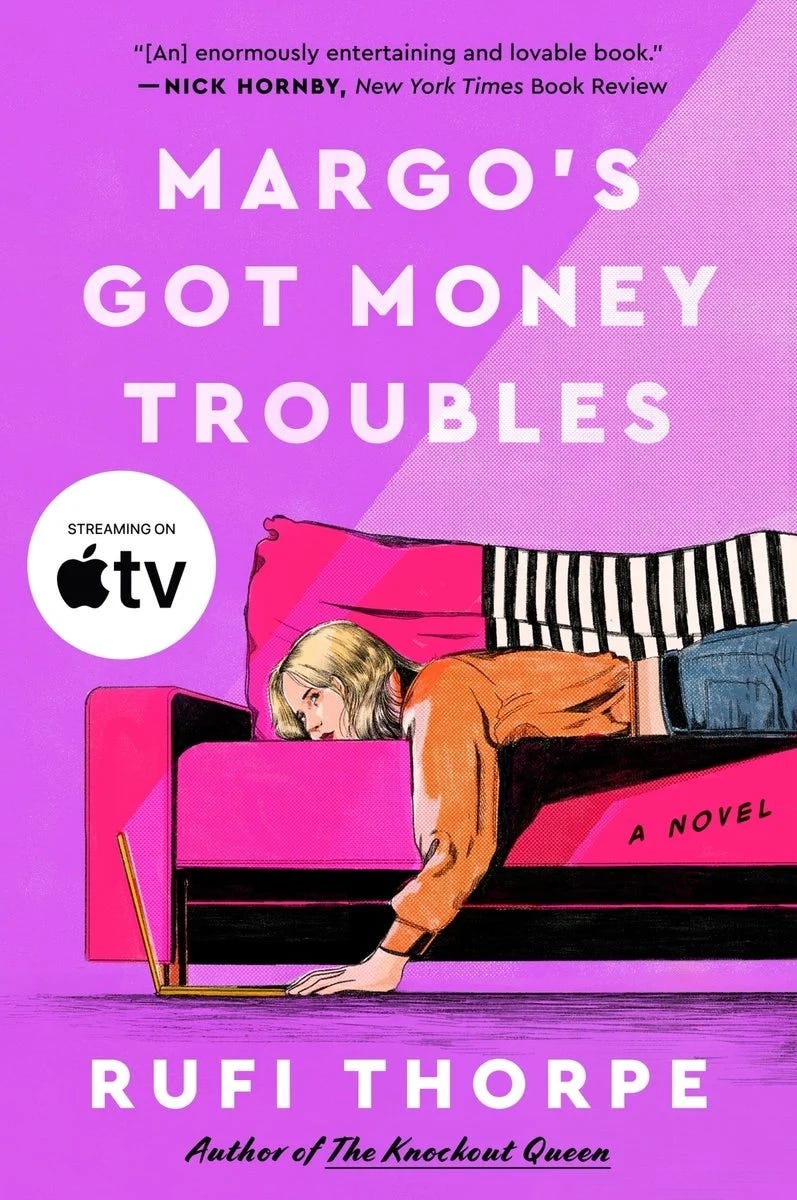
Margo’s Got Money Troubles, by Rufi Thorpe (2025). “A bold, laugh-out-loud funny, and heartwarming story about one young woman’s attempt to navigate adulthood, new motherhood, and her meager bank account in our increasingly online world.” It’s been made into an eight-episode series that debuted on April 15 on Apple TV. Watch the trailer.
*
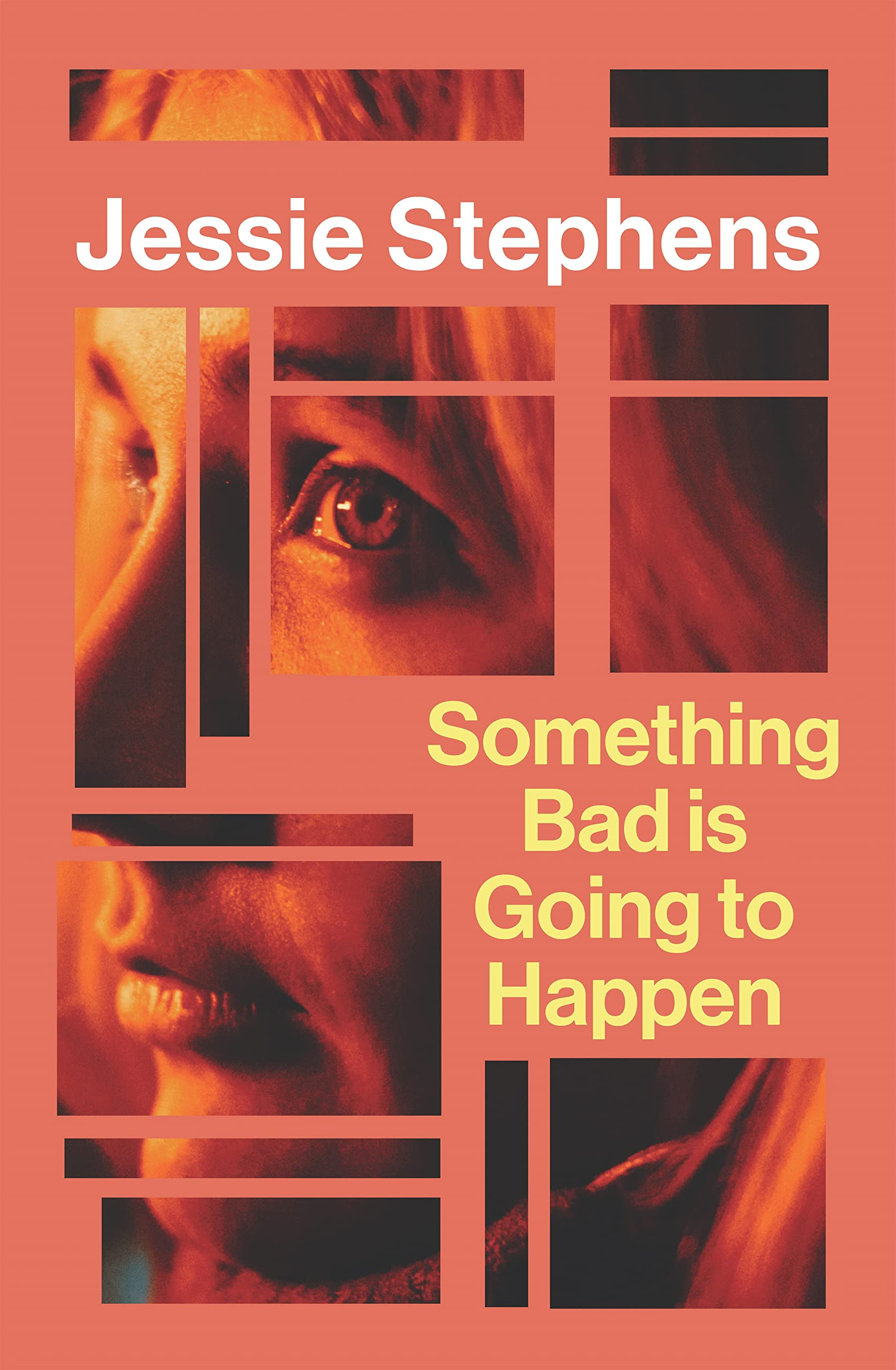
Something Bad is Going to Happen, by Jessie Stephens (2023). “A heart-stopping new work from one of Australia’s most exciting writers.”
*
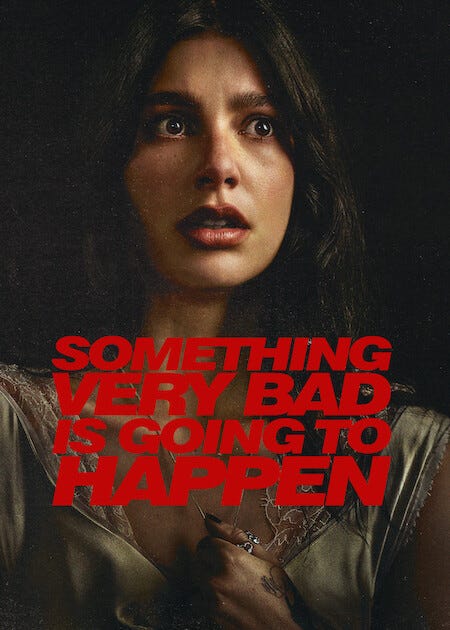
Something Very Bad Is Going to Happen (Netflix, 2026). No relation to the heart-stopping book!1 “A bride has a feeling that something horrifying will happen at her wedding — and the closer to the altar she gets, the worse it becomes.”
*
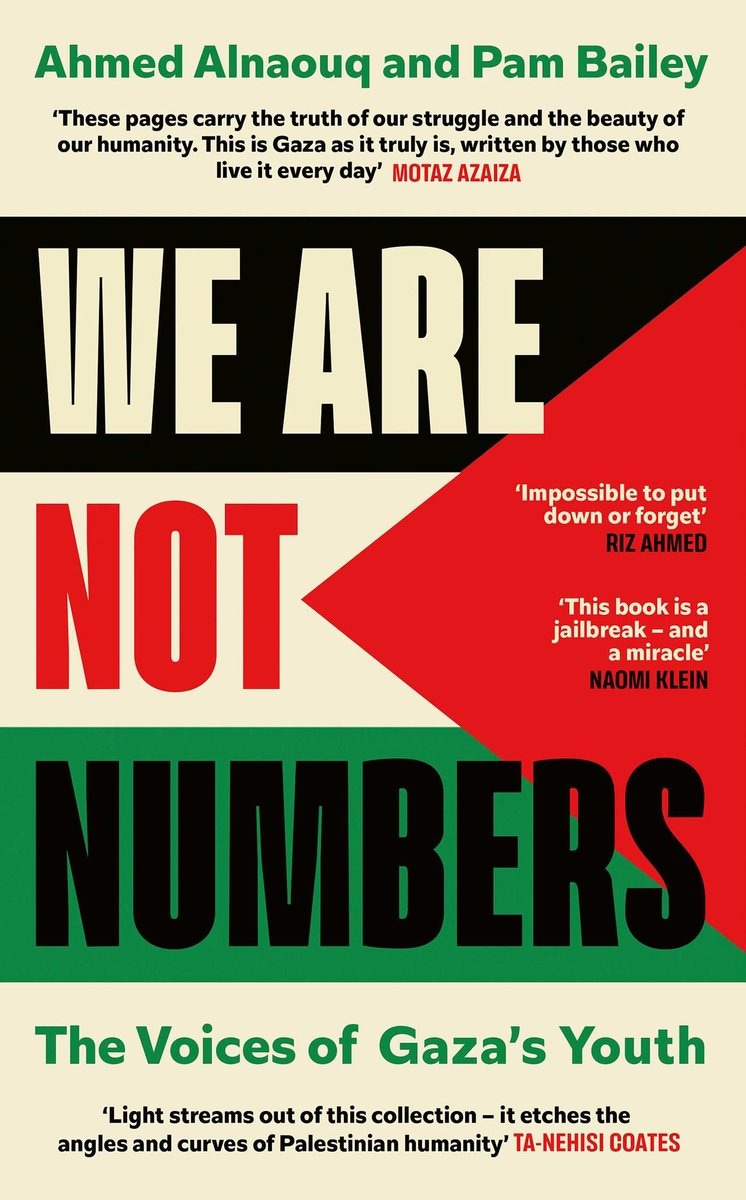
We Are Not Numbers: The Voices of Gaza’s Youth, edited by Ahmed Alnaouq and Pam Bailey (2025). “Vital, urgent and full of heart, spanning over ten years to the present moment.”
*
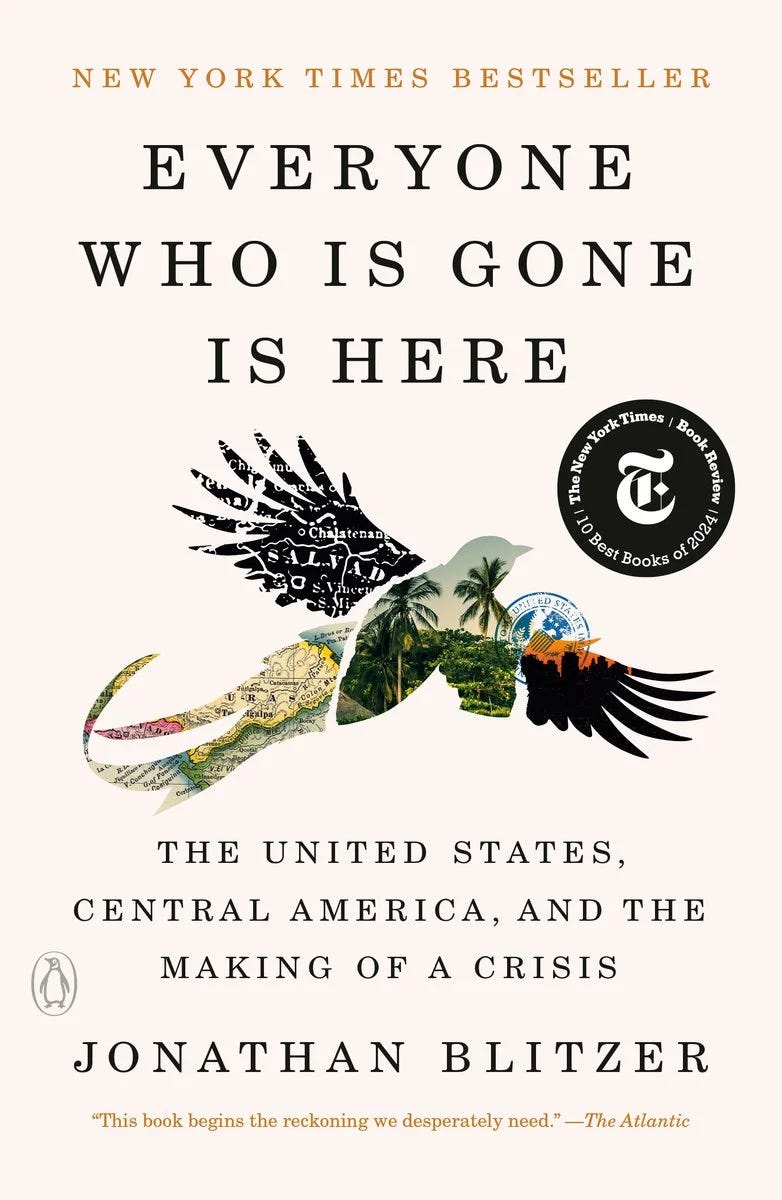
Everyone Who Is Gone Is Here: The United States, Central America, and the Making of a Crisis, by Jonathan Blitzer (2024). “The epic story of the people whose lives ebb and flow across the border, delving into the heart of American life itself.”
*
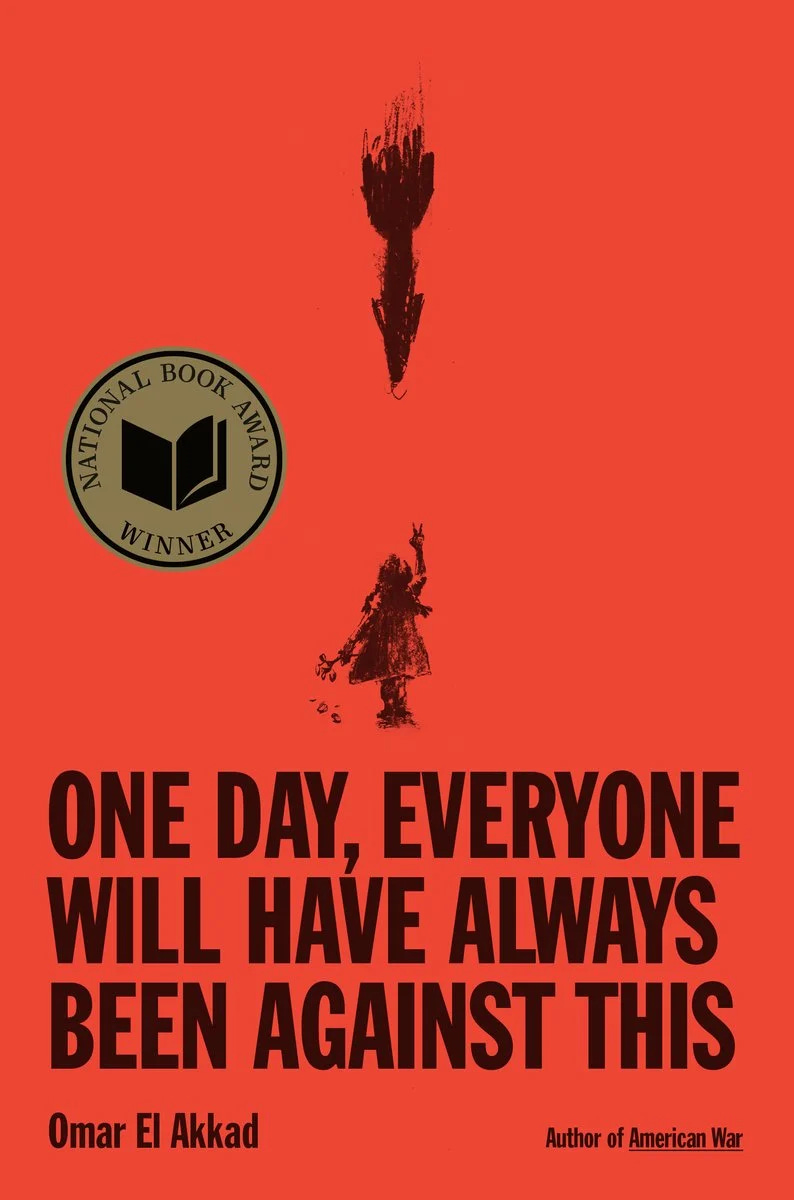
One Day, Everyone Will Have Always Been Against This, by Omar El Akkad. The title was drawn from a tweet the author, who was born in Egypt and immigrated first to Canada and then to the U.S., posted on October 25, 2023, three weeks after the bombardment of Gaza began: “One day, when it’s safe, when there’s no personal downside to calling a thing what it is, when it’s too late to hold anyone accountable, everyone will have always been against this.”
*
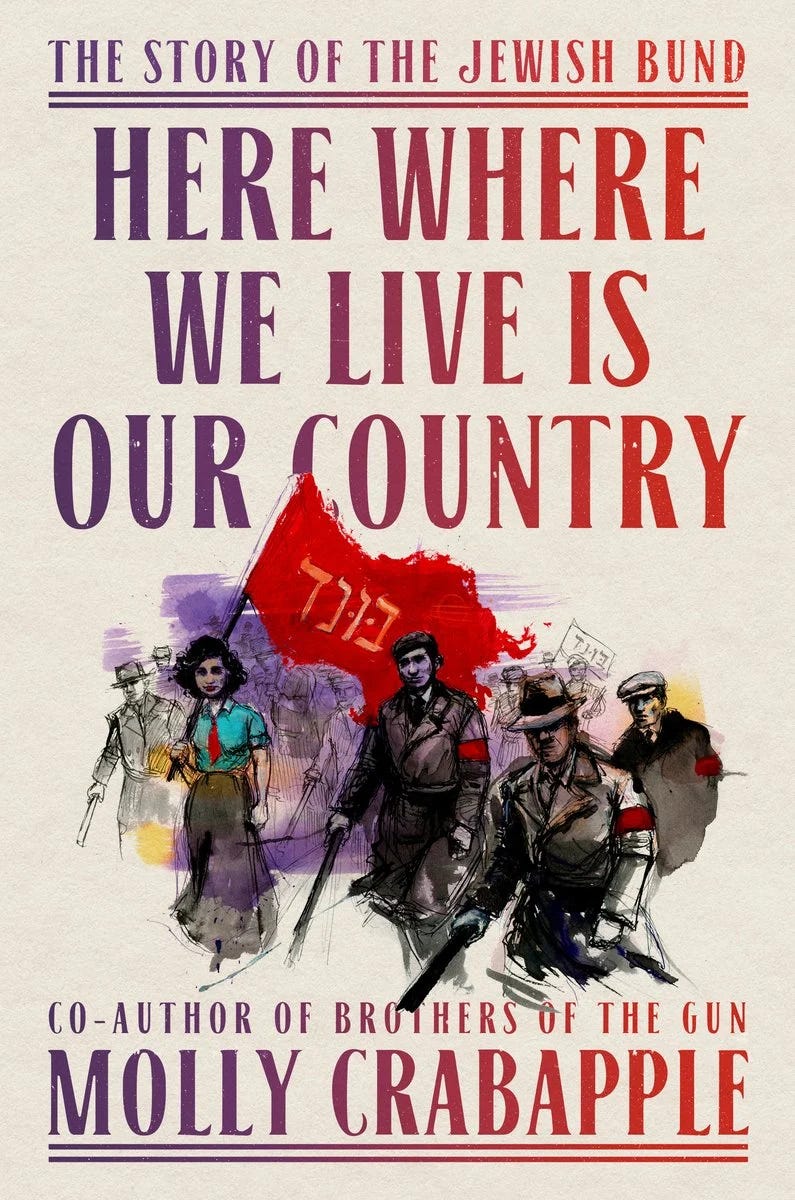
Here Where We Live Is Our Country, by Molly Crabapple (2026). “The dramatic story of the Jewish Bund—a revolutionary movement from a vanished world—and its radical vision of solidarity in an age of division.”
*
A sub-trend of its own: the “everyone is lying” titles. Remember: Titles can’t be copyrighted.
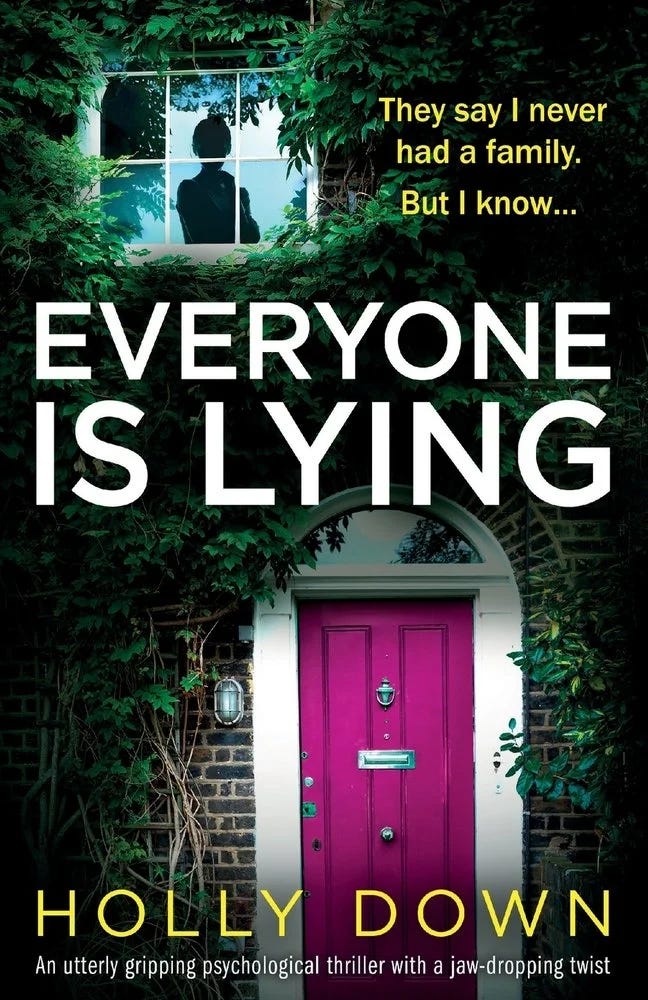
Everyone Is Lying, a novel by Holly Down (2025). “An utterly gripping psychological thriller with a jaw-dropping twist.”
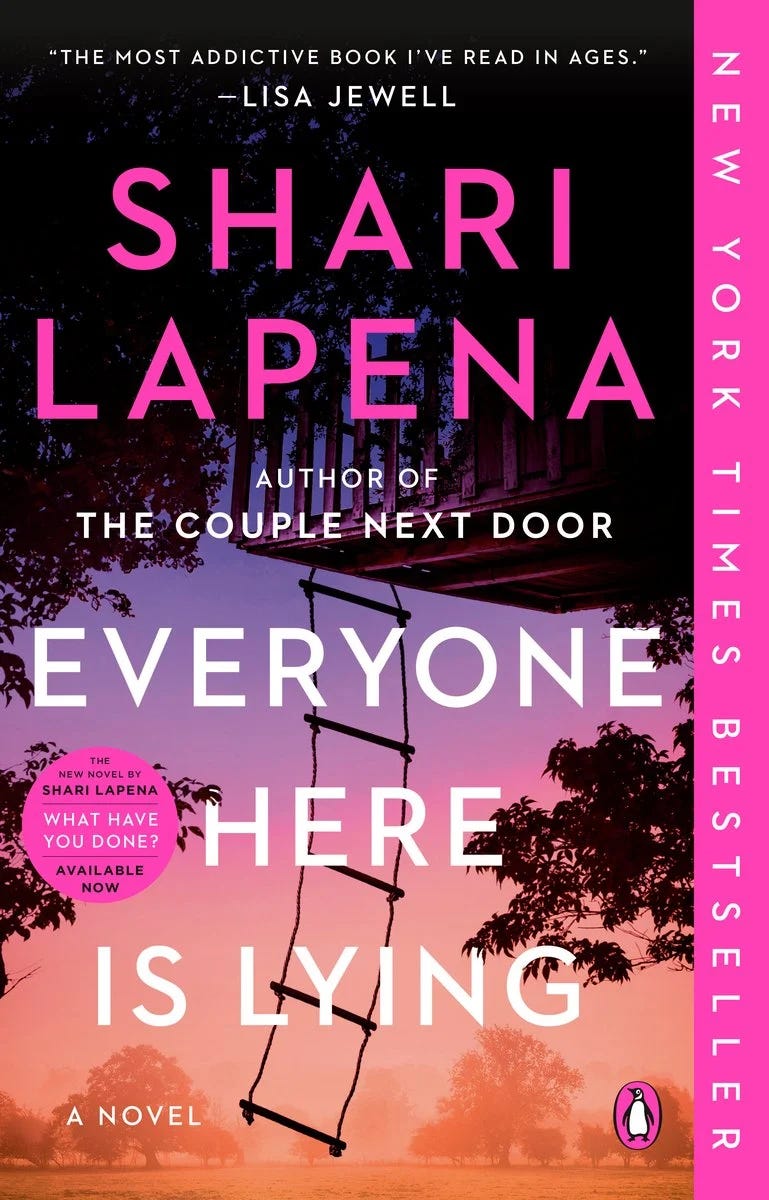
Everyone Here Is Lying, a novel by Shari Lapena (2024). “Nothing will prepare you for the truth.”
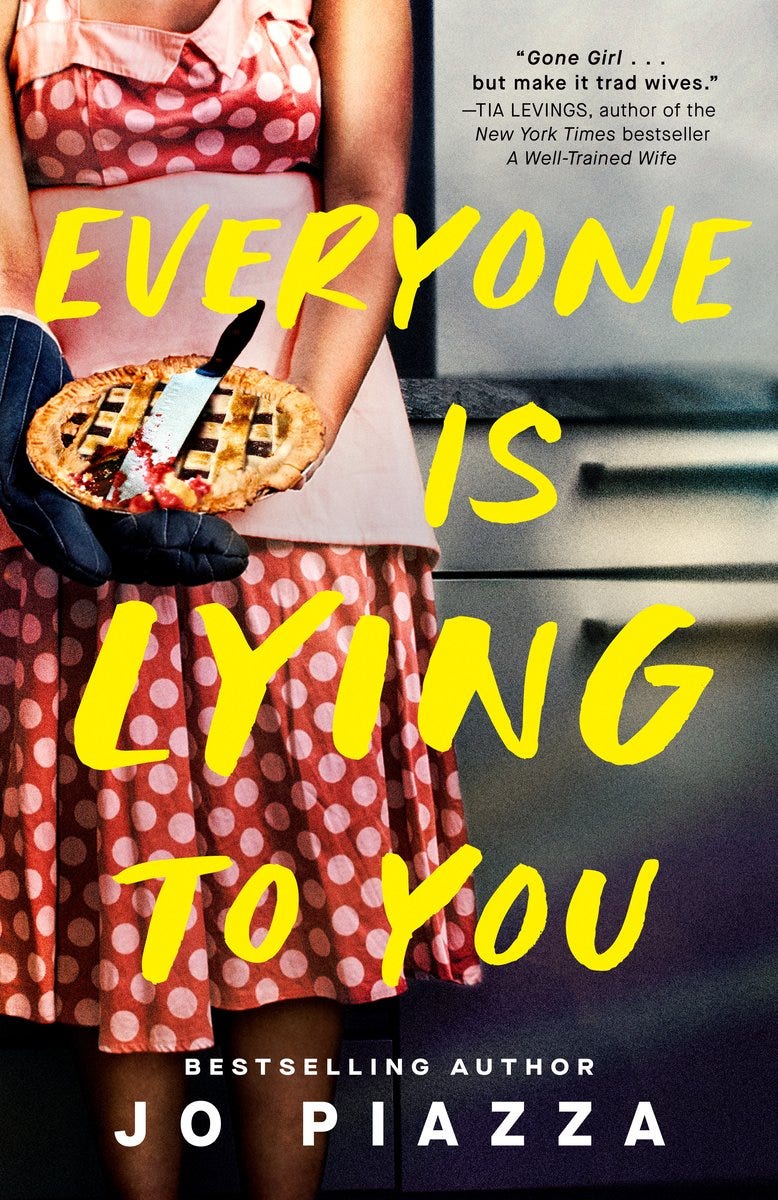
Everyone Is Lying to You, a novel by Jo Piazza (2025). “Gone Girl . . . but make it trad wives.”
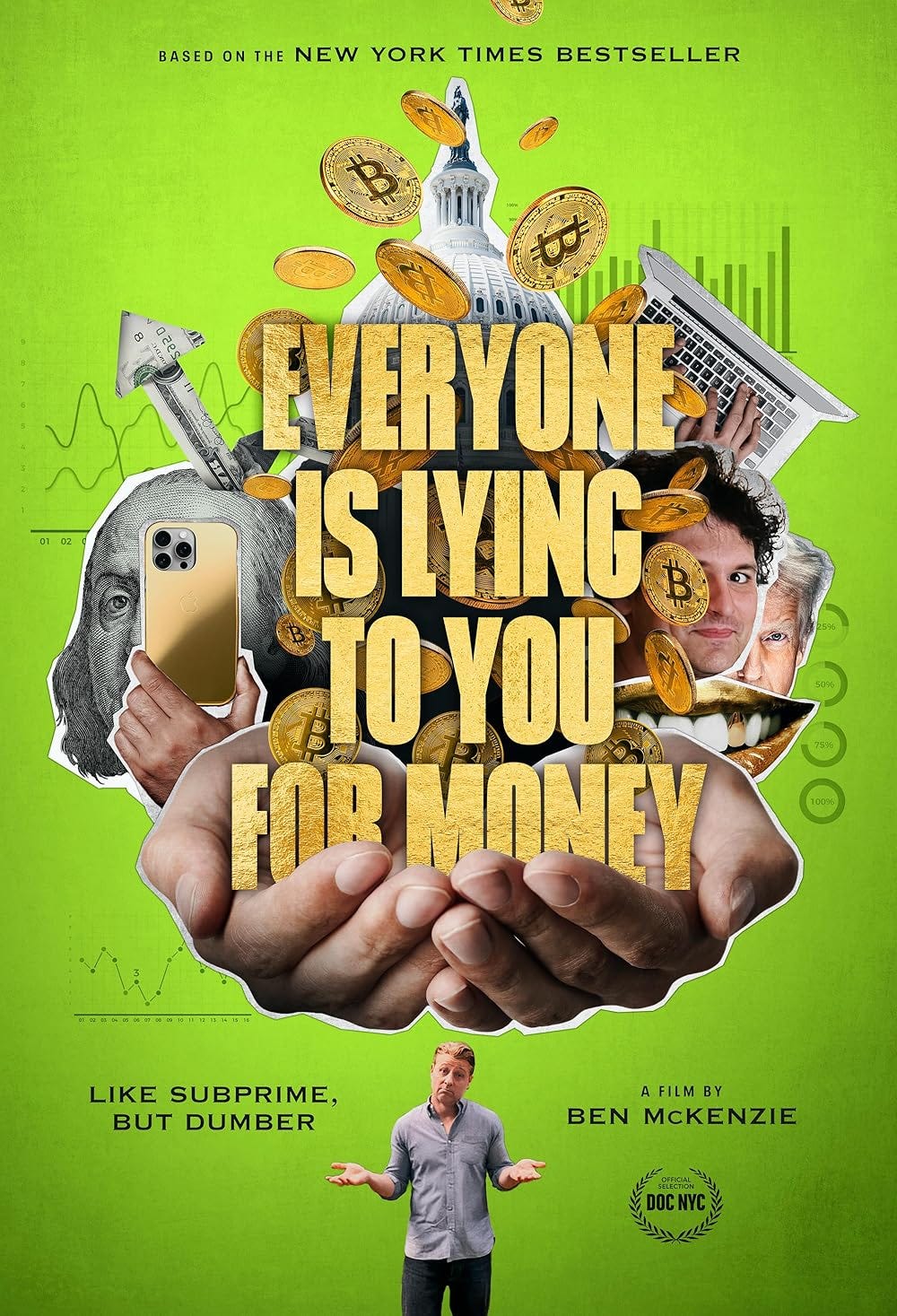
Everyone Is Lying to You for Money, Ben McKenzie’s cryptocurrency documentary, now in U.S. theaters.2 The book on which it’s based, Easy Money (2023), follows a different title formula: adjective-noun. Watch the trailer.
Sometimes there’s just one liar:
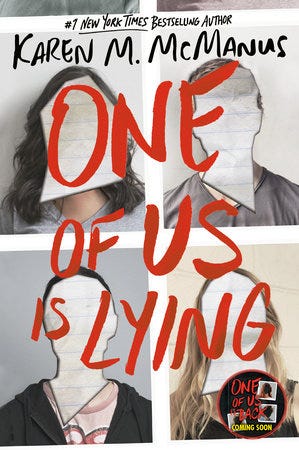
One of Us Is Lying, Karen M. McManus’s 2017 young-adult novel. Entertainment Weekly described it as “Pretty Little Liars [more lying!] meets The Breakfast Club.” It was turned into a short-lived streaming series with the same title.
*
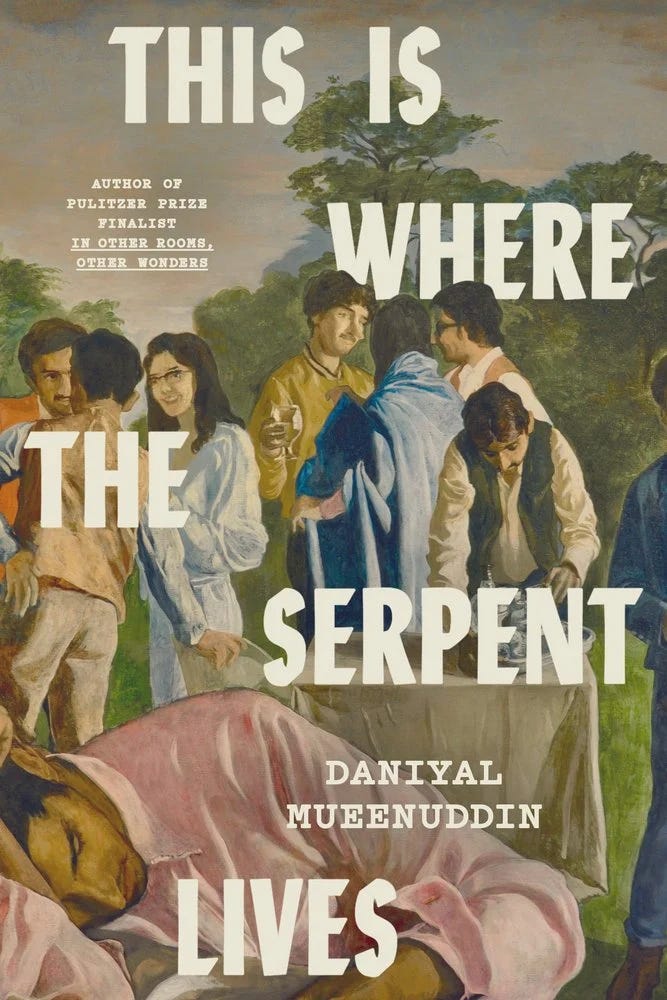
This Is Where the Serpent Lives, by Daniyal Mueenuddin (2026). “Powerfully evokes contemporary feudal Pakistan, following the destinies of a dozen unforgettable characters whose lives are linked through violence and tragedy, triumph, and love.” Before the advent of the full-sentence trend, this title probably would have been just Where the Serpent Lives, or maybe just The Serpent.
*
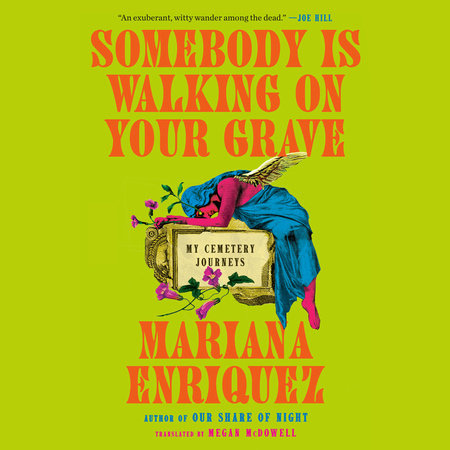
Somebody Is Walking on Your Grave: My Cemetery Journeys, by Mariana Enriquez (2025). “Memoir channeled through Enriquez’s passion for cemeteries.”
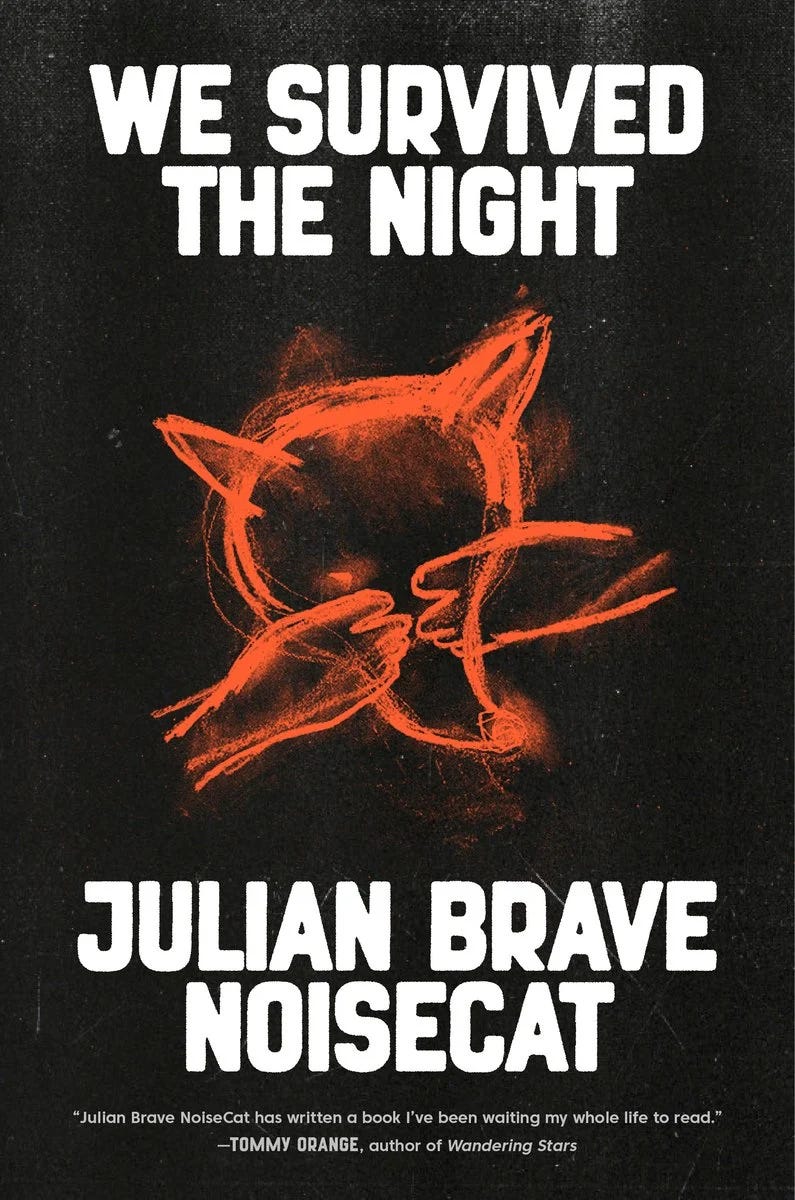
We Survived the Night, by Julian Brave NoiseCat (2025). “A searing portrait of Indigenous survival, love, and resurgence.”3
*
More title insights and tips in my 2019 story for Medium, “Book Titles Made Easy(-ish).”
Want help with your own title or subtitle? Book a call with me!
Couldn’t Something Very Bad Is Going to Happen be the title of every horror book and film?
I saw it last weekend at San Francisco’s Roxie Theater, with Ben McKenzie answering questions afterward. There’s a running joke in the film about how he can’t escape his past as a star of The O.C. more than 20 years ago.
In book-PR-ese, “portraits” are always “searing.”
OG exanmple: “Alice Doesn’t Live Here Anymore.”
See also: No One Belongs Here More Than You.
These book titles remind me of one of my least favorite trends in headlines, the bold, vaguely censorious assertion that is almost always wrong: "You Are Peeling Potatoes All Wrong" "You Don't Actually Like the Band Geese" "Why Your Children Hate You."