
Naming briefs #20
TIN CAN connects. PANE pains.

Welcome back to Naming Briefs, a regular feature in which I scrutinize and analyze new or notable corporate or product names. This is the twentieth installment of Naming Briefs; here’s the previous installment, from March. And here’s a post with some background on the series.
Tin Can
The telephone landline isn’t dead; it’s just been “reinvented for kids,” declares Tin Can, the “untechnologies” company founded in Seattle in 2024. For $100, a grownup can buy a twirly-corded device and access to a “telephone club” that allows kids to “chat voice-to-voice during the no-smartphone years.”
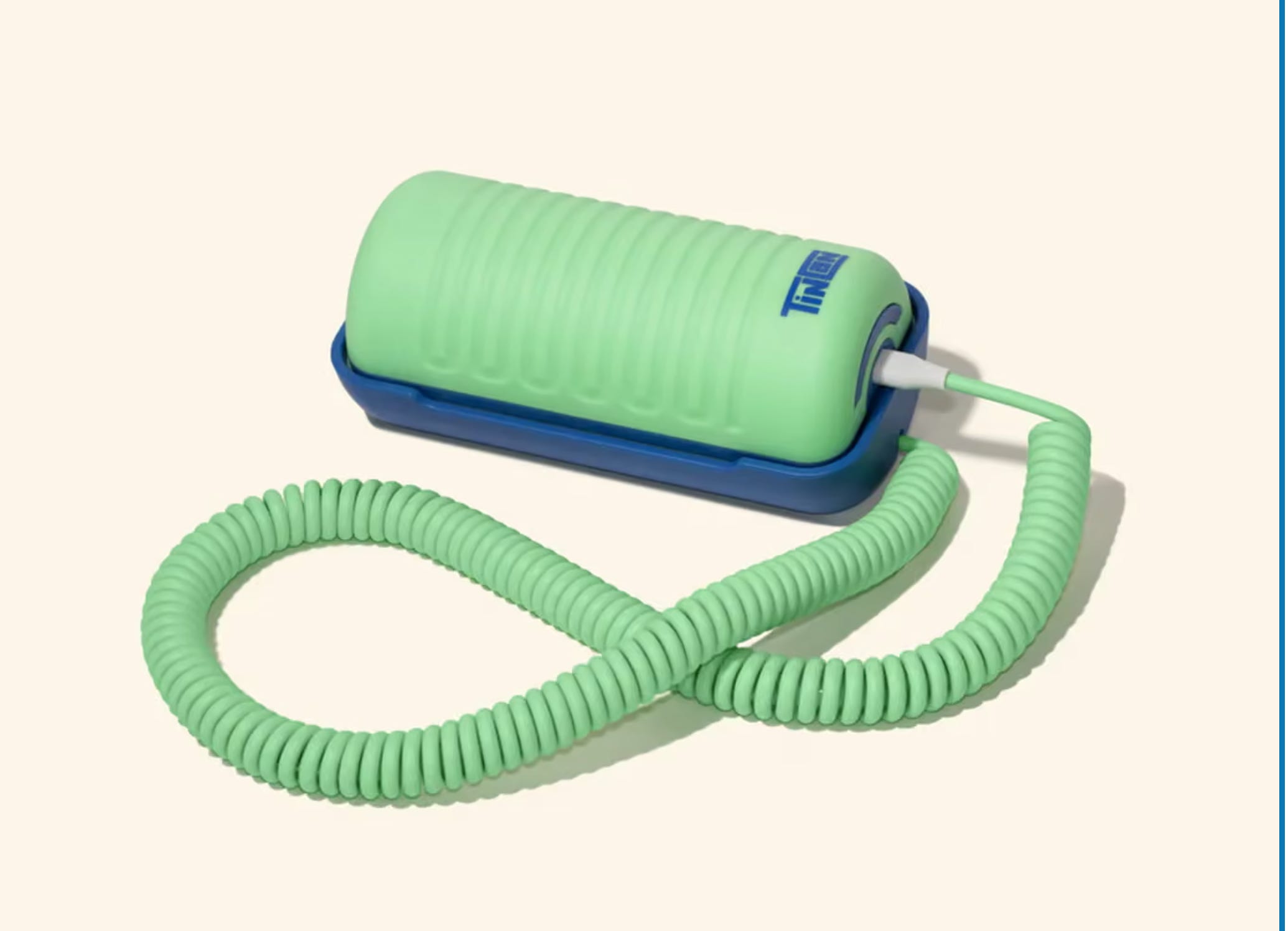
It works like this:
Only the contacts you approve in the Tin Can mobile app can get through. No robocalls, no strangers, just voices you know and trust.
Tin Can supports calling other Tin Cans for free, and regular phone numbers with our Party Line Plan. Both plans support 911 calling.
No screen. No games. Just talk.
And a nifty name.
What’s good about TIN CAN? It evokes the fun and wonder of actual tin-can telephones, a staple of childhood play for decades before the invention of mobile phones. Tin-can phones, often the first DIY projects a kid could undertake, work by transmitting sound waves over a taut string that connects two empty tin (or aluminum) cans. The new Tin Can phone isn’t made of tin (or aluminum) and it isn’t a can (although its design looks a bit canlike), and it uses WiFi instead of string, but the name successfully signals “basic communication.” It’s a suggestive name, not a descriptive one, and that’s a good thing.
Other things I like about Tin Can branding:
“All talk, no smarts”: a funny, counterintuitive tagline that works.
The .kids domain: makes it clear up front who the target market is. And I’m always happy to see a company break free from dot-com-domain tyranny.
The colors and their names: In addition to Answer Me Aquamarine (which to me looks more like Greetings Green, but no one asked), there’s Landline Lemon and See You Later Alligator Lilac. (The one dud, in my opinion, is Static White. Who wants to hear the sound of static?) The colors are bright and fun, and their names are consistent with the youthful yet retro brand personality.
“We still love snail mail”: The contact info includes an honest-to-gosh Seattle street address.
Reviewing the Tin Can phone for Fast Company in December 2025, Steven Melendez noted that “some adults have started using the Tin Can, enamored with the device’s simplicity and the fact that it doesn’t receive spam calls, since callers from nonapproved numbers simply get a recorded message saying they’re not authorized to connect.”
And when Wirecutter’s Alison Rochford reviewed Tin Can in April, she praised the device’s usefulness for “parents arranging playdates” and applauded its simplicity:
Setup took me about five minutes. All you need is an electrical outlet, a Wi-Fi connection, and an adult’s smartphone on which you install the Tin Can app. Because calls to and from your Tin Can’s phone number are limited to approved contacts, the final step is to enter those numbers into the app’s contact list, which you can edit at any time.
Not everyone is a fan. One buyer posted a YouTube video documenting his complaints about the device. Even he, though, had nothing bad to say about the name — and the responses to his video overwhelmingly override his objections.
PANE
It’s pronounced exactly like pain, and it’s a shoe brand.
A shoe brand. Called pain. Really?
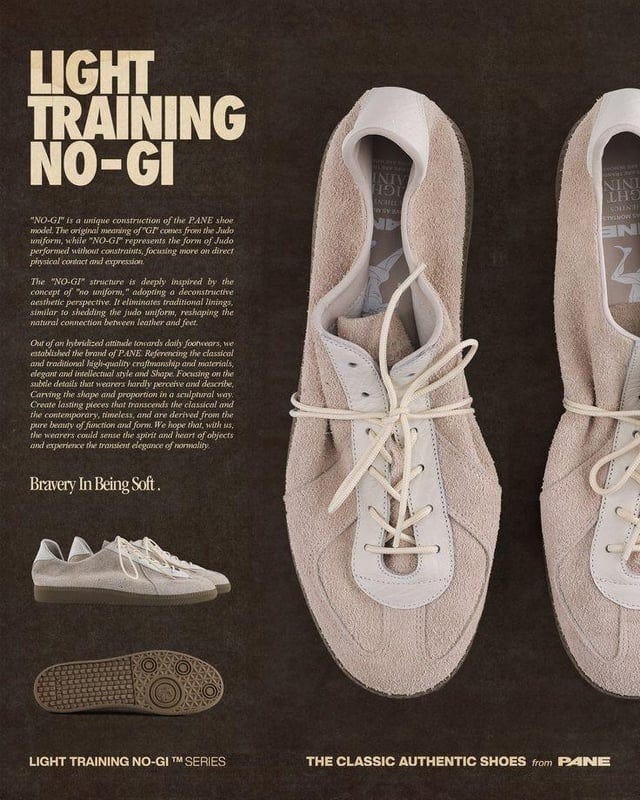
I learned about PANE — the brand styles the name in all caps, although as far as I can tell it isn’t an acronym — from the Substack newsletter of London-based Grace Cook, who calls herself “a journalist covering sweat culture.”1 In a February post Cook called PANE
the next cool sneaker brand to know because it’s about to disrupt the silhouettes of footwear. Here’s why: the collection draws on myriad sports references that give it broad appeal with niche silhouettes. It’s not a hypebeast brand, or a brand aimed at runners, or tennis guys, or preppy fans, or boxing fans. It’s for people who appreciate product design with a heavy sports inflection.
The silhouettes are colourful and nostalgic. The shoes are beautifully crafted, and, in a sea of techy sports silhouettes, the retro expression makes you feel something.
I haven’t seen the shoes IRL, but I get what Cook is driving at. The elegance of simplicity. The rejection of “performance” hype and “streetwear” overdesign. (Not unlike, come to think, what Tin Can is aiming for.) What I absolutely do not get is why the company chose the name PANE, which evokes only bunions and blisters and ouch.
Here’s what I do know about the brand: It was founded in China in 2022 by Chen Ning, a finance executive who later worked for a decade for an unspecified “bespoke menswear” brand, as Hypebeast put it in a January 2026 interview. There’s clearly a level of sophistication here that goes far beyond those trademark-grabbing alphabet-soup Chinese-for-Amazon brands. The price points — between $165 and $180 per pair — reflect that sophistication.
The name does not.
So what’s going on?
My shot-in-the-dark theories:
They just wanted a four-letter name, maybe under the influence of Nike, Puma, and Avia. This is a bad rationale, but it’s a familiar one: I’ve worked on names with many clients who believe in four-letter magic.
It’s … ironic? After all, there’s a successful Swedish fashion brand called ACNE, supposedly a backronym for Ambition to Create Novel Expressions. (Note that PANE shares its final two letters with ACNE.) If shoppers are willing to pay $800 for “distressed,” dirty-looking jeans from a brand that sounds like a teenage affliction, maybe comfortable shoes from a brand that sounds like agony isn’t such a stretch.
Any other ideas? I’m willing to be persuaded, but honestly, the PANE name just gives me a royal you-know-what.
Now, you see, I read PANE as the Italian word for bread and "pain" as the French for bread and then thought: shoes?
Then I read the rest of your brief and realized your irritation was a completely different one.
Pick A Name Exhaustion